Curriculum Standards and Resources


Curricula is centered around interdisciplinary themes so students learn to see the interconnectedness of social, cultural, and natural systems and learn to use history, science, math, reading, writing and the arts as tools to make sense of the world.
Students’ questions and ideas are valued and guide the learning process. They build and revise their ideas using evidence from their learning experiences.
All lessons are aligned to national standards like the Next Generation Science and Common Core standards.
Curricular topics spiral each year to review and deepen learning.
The following are examples of curricular themes:
2026-2027 School Year
Theme: Migration, Borders, & Belonging
Essential Questions:
How and why do living beings migrate? What factors facilitate migration and which ones restrict migration?
What is a border?
What kinds of borders (e.g. natural, social, and political) exist in the world and what purposes do they serve?
What forces keep borders in place? What forces can break down borders?
How can borders, both real and imagined, shape individuals’ sense of belonging?
Social Studies
Topics focus on why humans and other living beings migrate and the creation of borders,
Main Topics
The Great Human Migration
The Underground Railroad & Abolitionism
Mexican-American War
California Gold Rush & the Chinese Exclusion Act
Indian Removal & the Reservation System
Reconstruction
WWII
The Great (Black) Migration
Jim Crow Segregation & the Civil Rights Movement
History of Redlining and Housing Discrimination in Kansas City
Syrian Refugees
Palestine: Living Under Occupation
Reading & Writing
Students read (fiction, nonfiction, poetry) and write in all subject areas including creative writing for storytelling and poetry and technical writing for community-based research and lab reports.
Examples of Texts for Group Study:

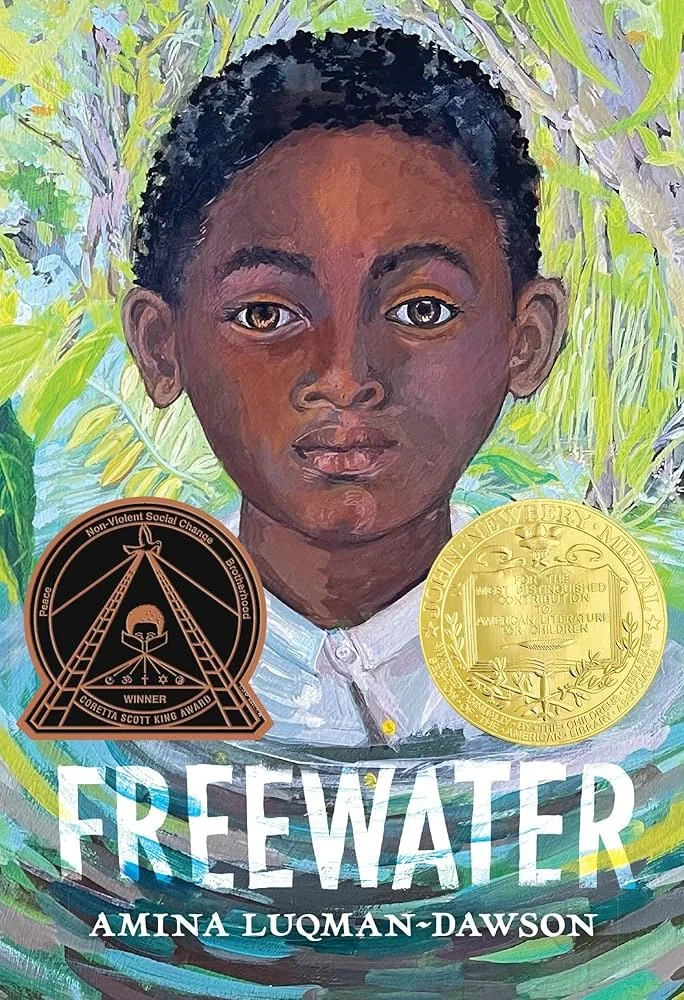
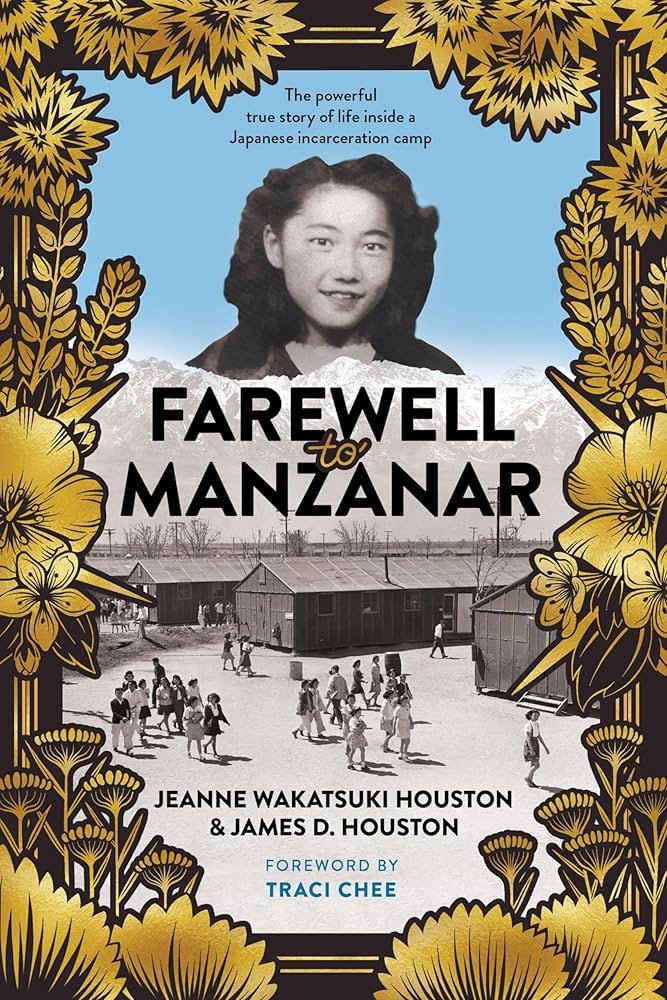
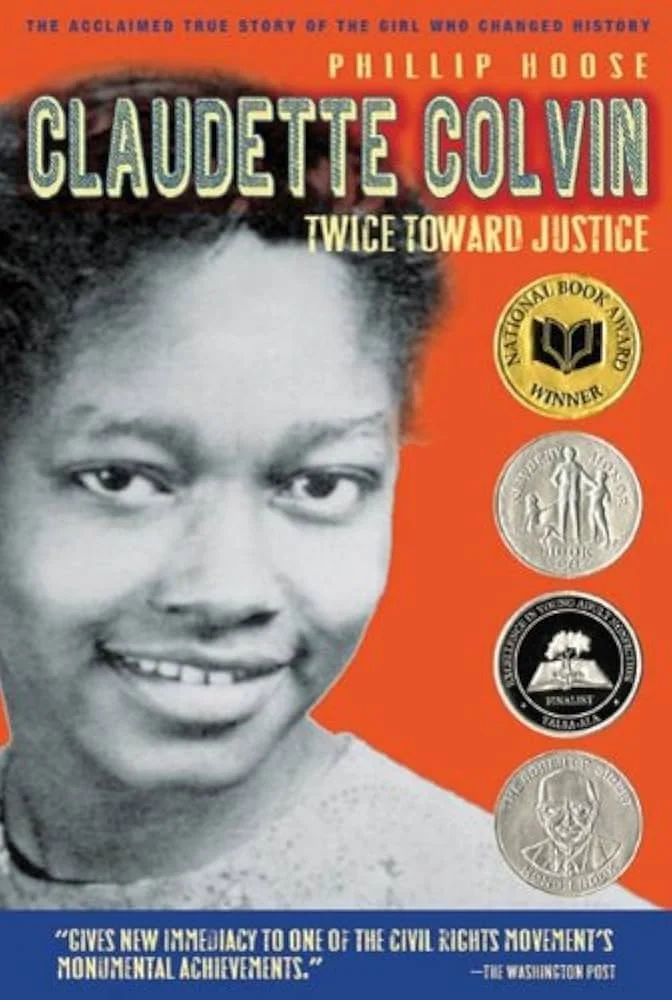
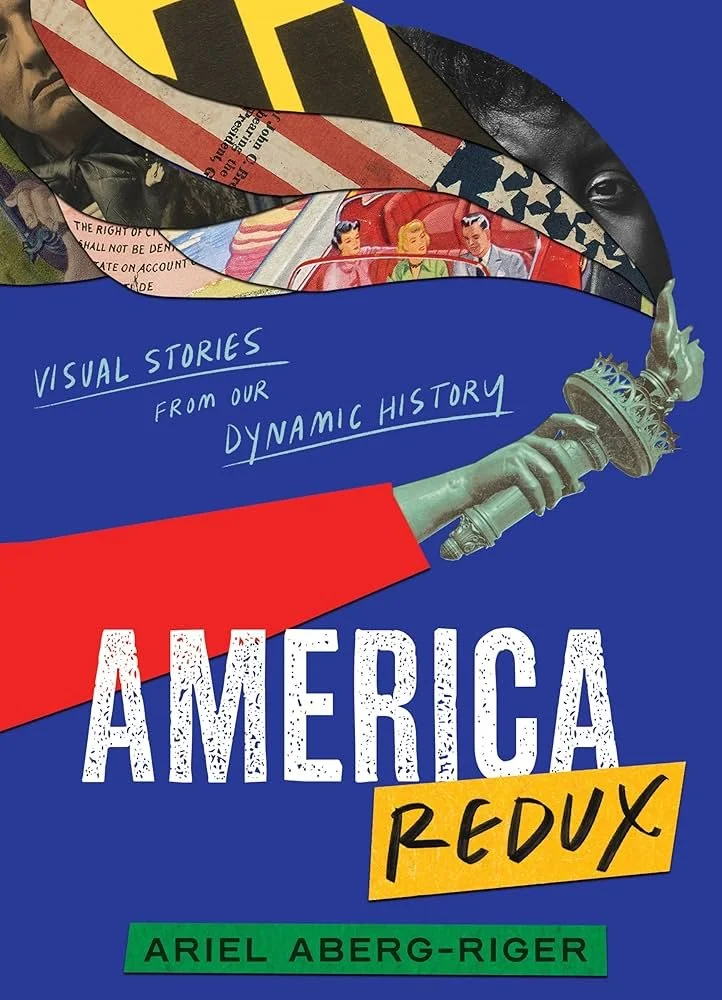
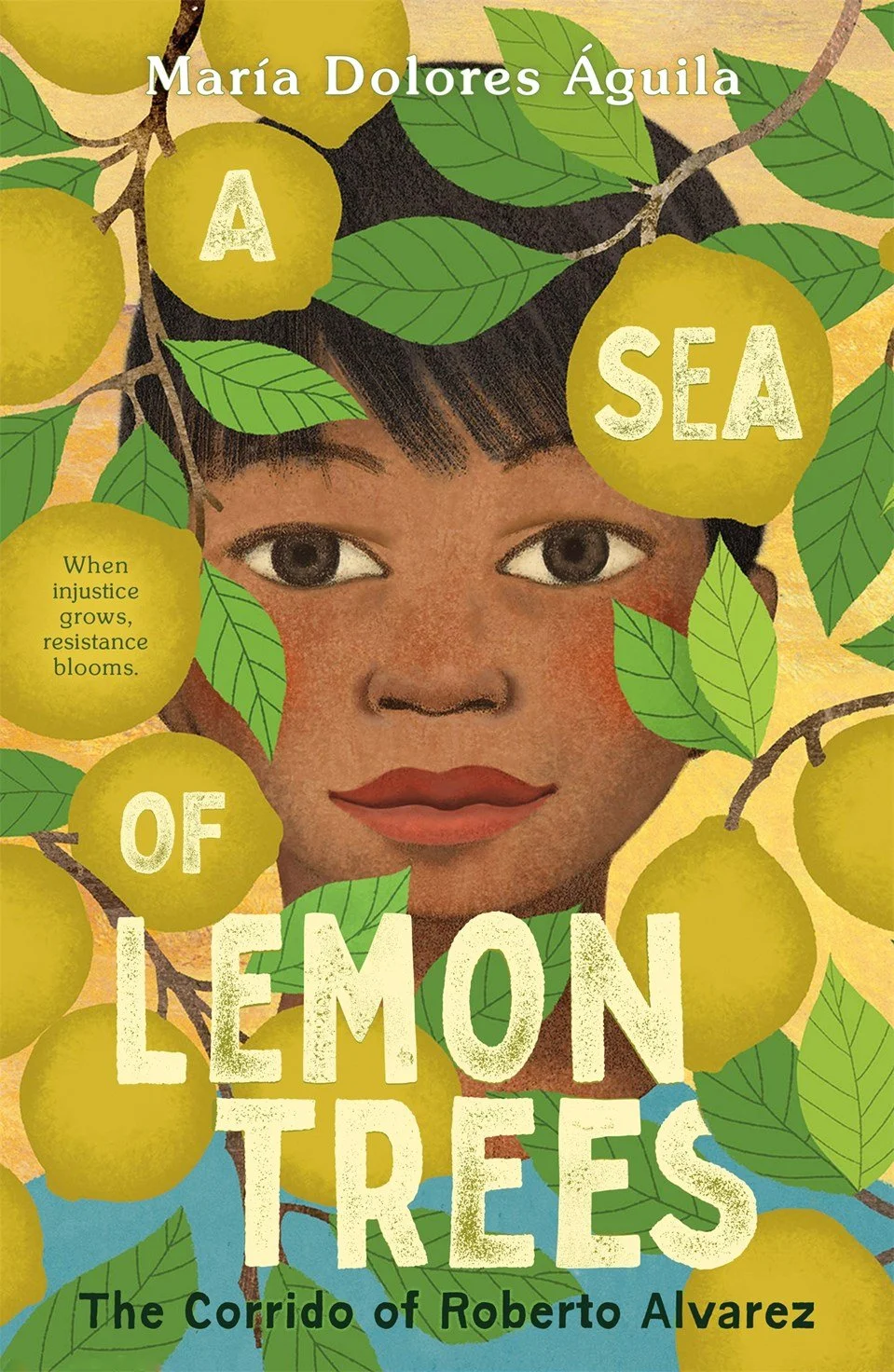
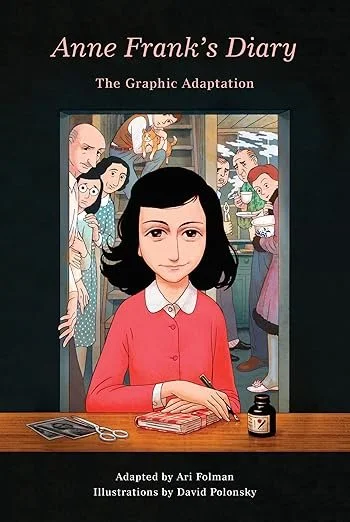
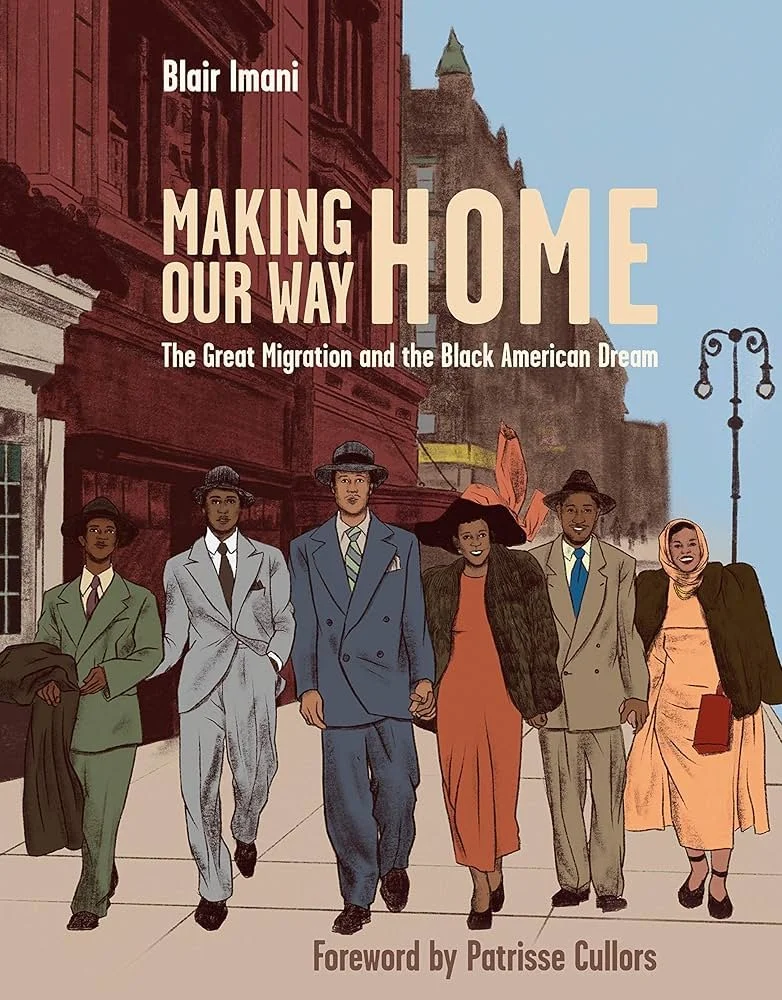
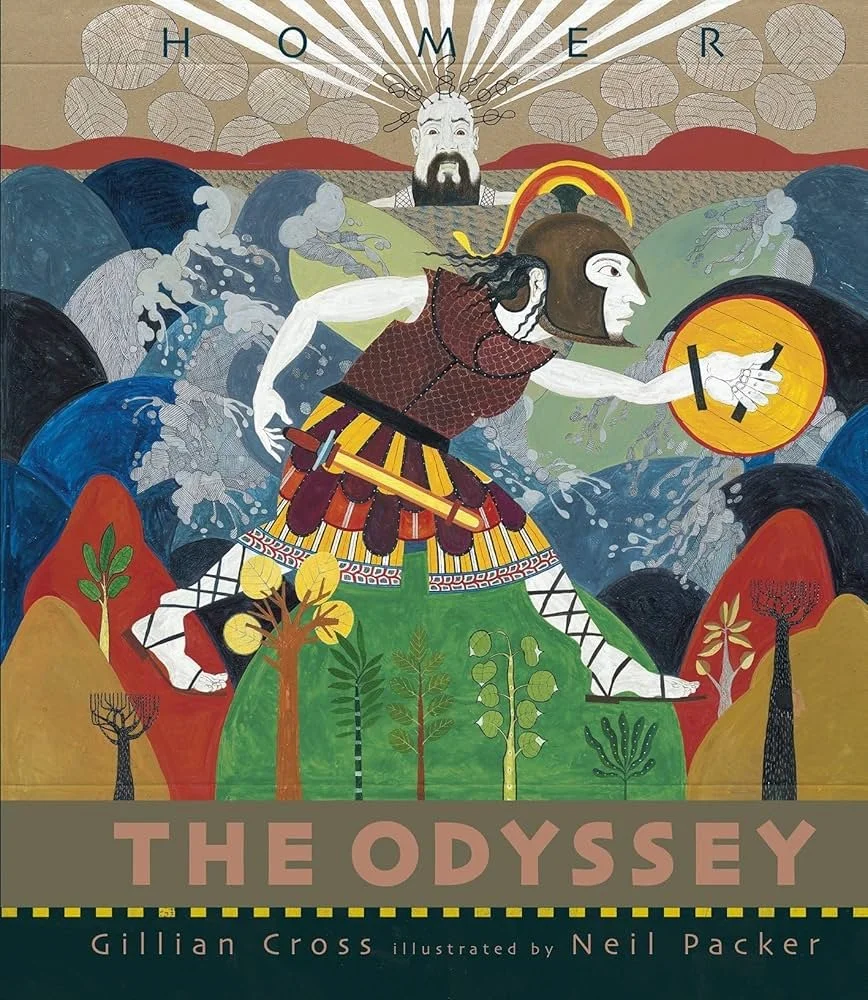
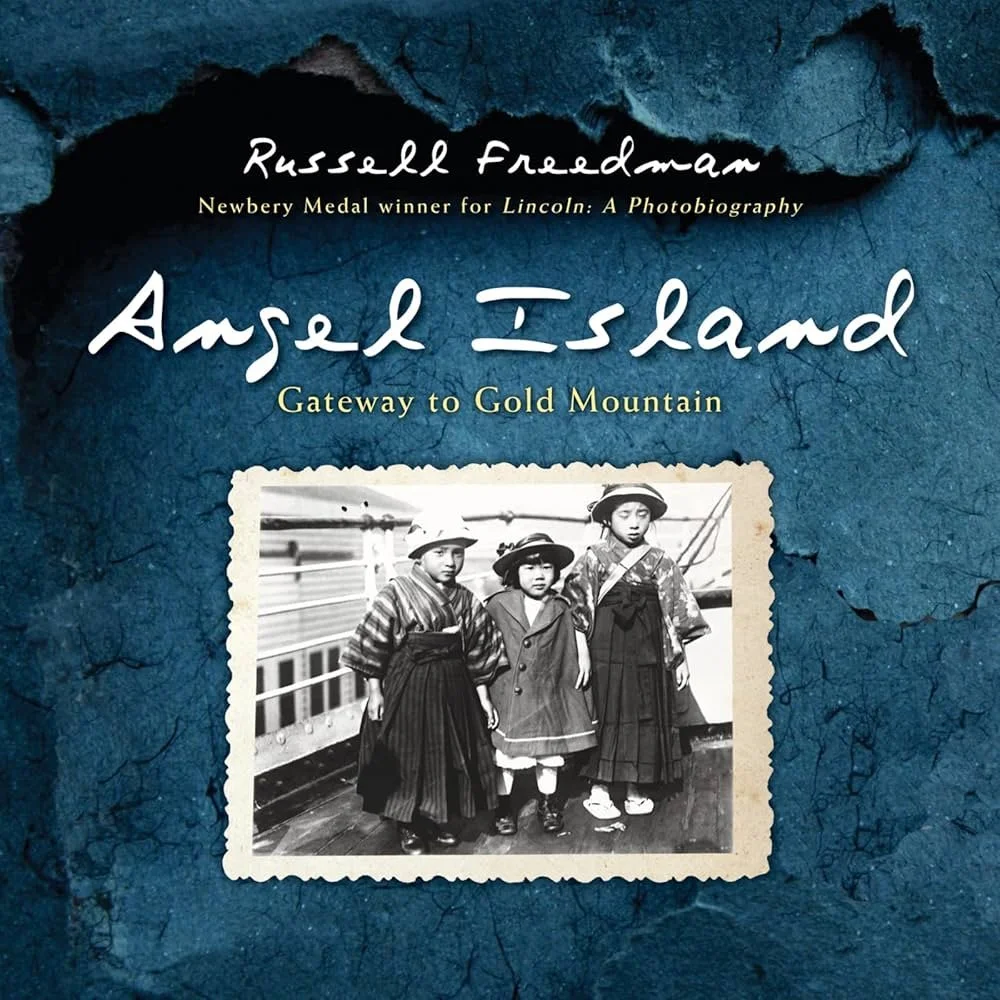
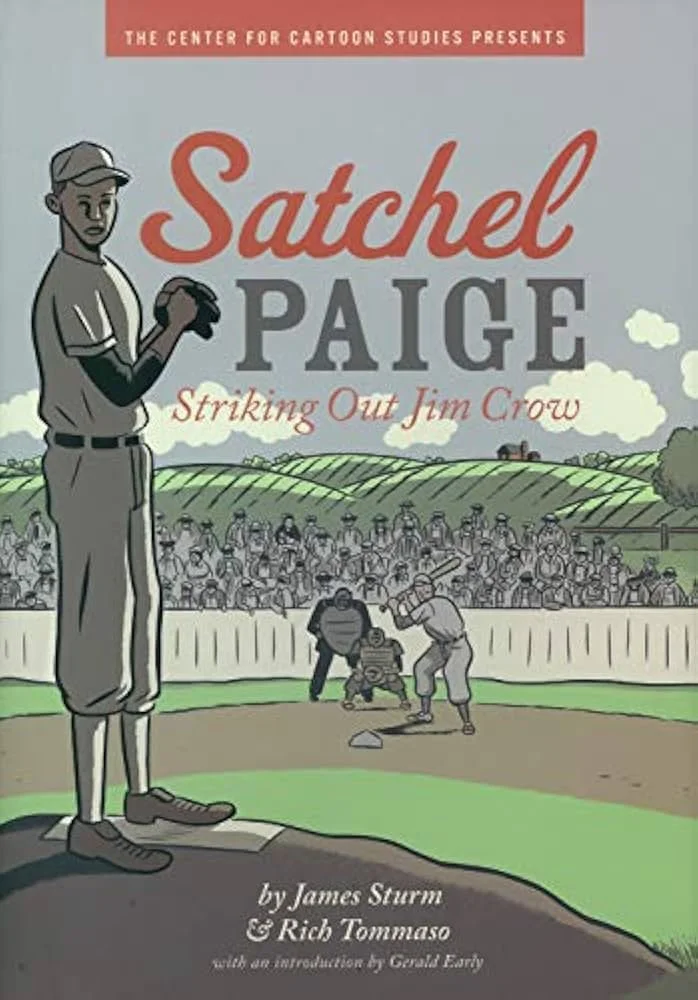
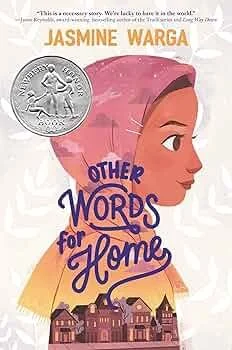
Science
Science emphasizes the building of knowledge to explain phenomena like the movement of matter and ecosystems and solving problems related to human impact and extinction.
Units
Chemical Reactions & Matter
Chemical Reactions & Energy
Metabolic Reactions
Matter Cycling & Photosynthesis
Ecosystem Dynamics & Biodiversity
Genetics
Natural Selection & Common Ancestry
Earth’s Resources & Human Impact
Math
In additional to developing students’ grade-level math skills, students will use math to solve questions related to their social and natural studies like,
Using maps to measure the total square miles of land that the United States took from Mexico following the war of 1848 including price per acre.
Using math to address immigration myths like “Immigrants increase crime and violence” and “Border walls stop immigrants from entering the US”.
2025-2026 School Year
Theme: Climate Change
Essential Questions:
How can the history and interconnectedness of cultural and natural systems help us explain present-day climate change?
Who is most impacted by climate change and why?
What alternative systems (ecological and economic) exist to help us imagine and create new possibilities?
Social Studies
Topics focus on the historical roots of the climate crisis in colonialism, slavery, and extractivism.
Main Topics
Doctrine of Discovery
Columbus and American Indians
Transatlantic Slave and Global Trade
Industrial Revolutions
Labor Movements
The Greenhouse Effect
The American Empire
WWI
The Great Depression and Dust Bowl
Climate Change Case Studies
Persian Gulf War - Kuwait Oil Well Fires
Hurricane Katrina
Sudan Civil War
People’s Resistance and Environmental Justice
Reading & Writing
Students read (fiction, nonfiction, poetry) and write in all subject areas including creative writing for storytelling and poetry and technical writing for community-based research and lab reports.
Examples of Texts for Group Study:

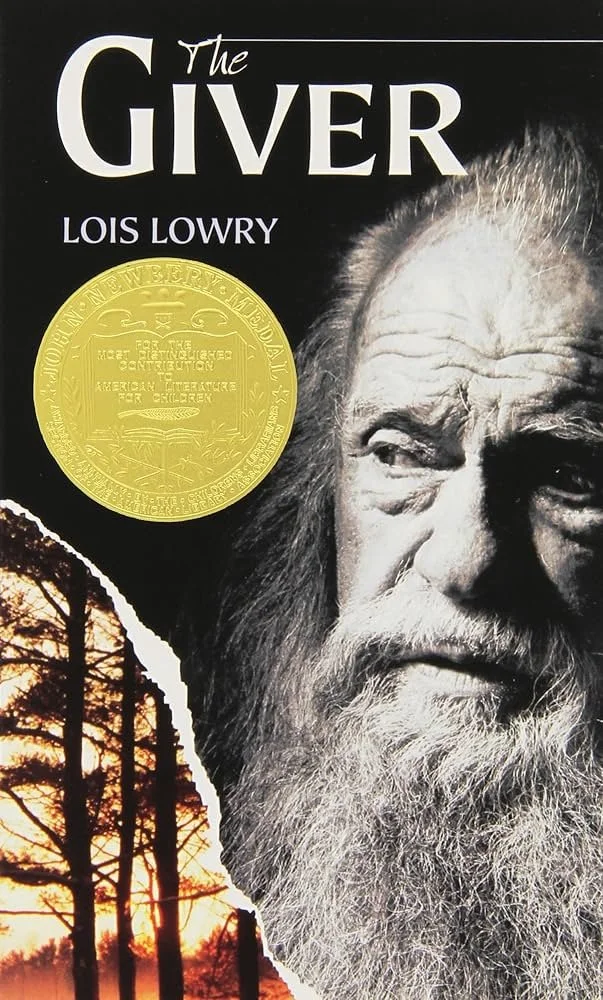
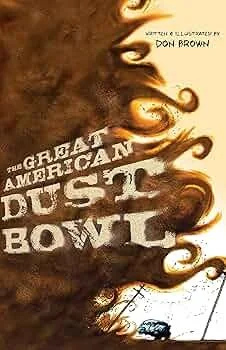

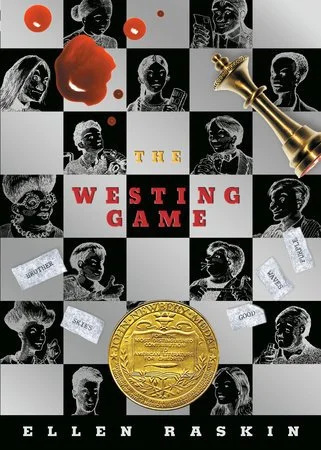
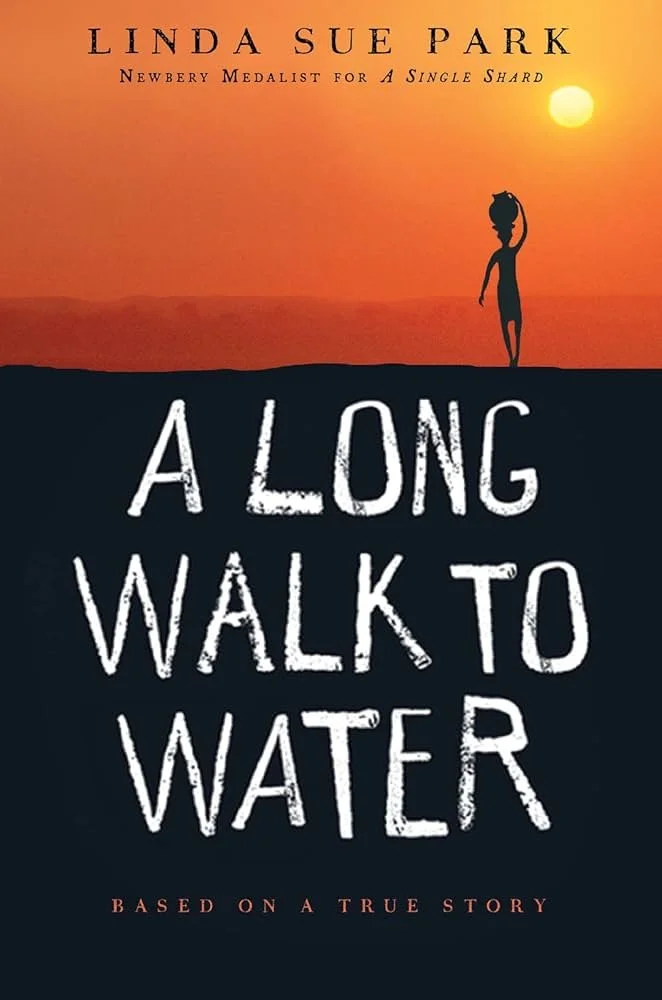


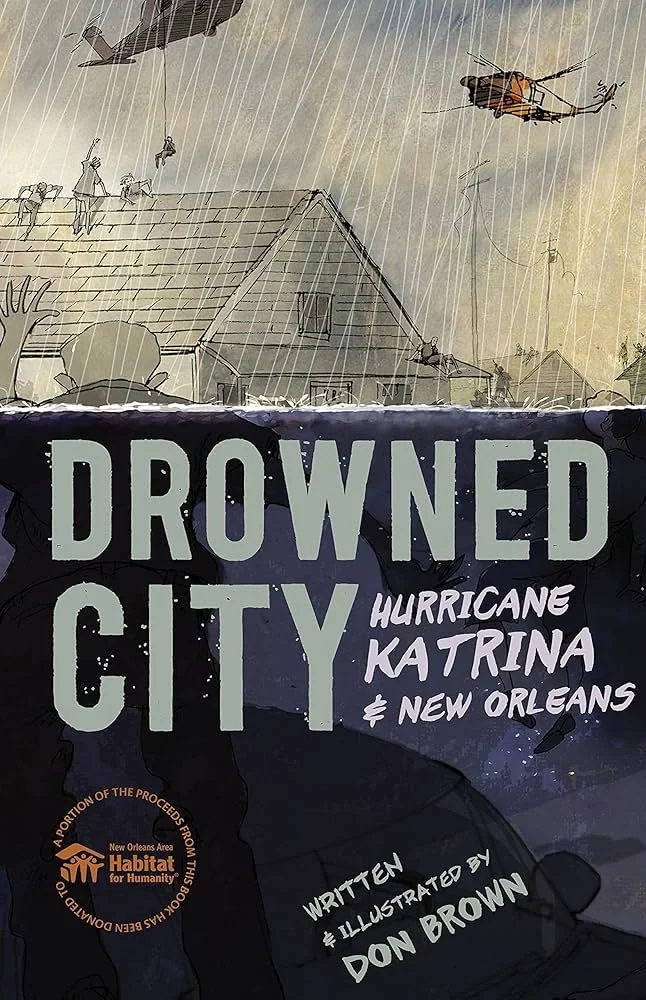
Science
Science emphasizes the building of knowledge to explain the greenhouse effect and climate change phenomena and solve problems related to environmental destruction.
Units
Light & Matter
Thermal Energy
The Periodic Table & Bonding
Chemical Change
Weather, Climate, & Water Cycling
Plate Tectonics & Rock Cycling
The Greenhouse Effect
Math
In additional to developing students’ grade-level math skills, students will use math to solve questions related to their social and natural studies like,
Calculating the carbon footprint of war and the fast-fashion industry
Data analysis, graphing, calculating percentages, ratios, and basic geometry to analyze climate data including temperature trends, carbon emissions, and impact on specific ecosystems
Additional Learning Opportunities
In additional to learning typical school subjects like history and science, students engage in topics like restorative justice and sexuality education. All materials are age-appropriate and meant to give participants a more comprehensive middle school learning experience.
-
Students are encouraged to explore their own unique interests during weekly visits to Kansas City’s Central Library.
During these visits, students read and check out books, graphic novels, and magazines on topics that pique their interest. Students practice using public transportation like the KC Bus and Streetcar systems (with adult supervision) to navigate the city.
-
Students share meaningful stories from Pendleton Heights and the broader community by creating a monthly community zine. Their writing is shared at local zine distros and coffee shops like PH Coffee.
-
Students develop restorative justice practices through curriculum developed by the Center for Conflict Resolution in Kansas City. Dialogue is practiced in our community circle and teaches us how to handle conflict and difficult conversations, repair relationships, and hold ourselves accountable when harm takes place.
-
Students engage in a holistic program that addresses the attitudes, values, and feelings that youth have about themselves and the world.
In an inclusive and developmentally appropriate manner, it addresses sensitive topics like body image, hygiene, social media/internet, bullying/bystander responsibilities, sexuality and disability, communication, and consent education.